

Table of Contents
- Quick Answer: Is It Legal to Record a Meeting?
- What Does "Consent" Mean in Recording Laws?
- One-Party Consent States (38 States)
- All-Party Consent States (11 States)
- Mixed or Complex States
- The Cross-State Problem in Remote Work
- Practical Rules for Recording Meetings Legally
- How viaim Helps You Record Responsibly
- FAQ
Quick Answer: Is It Legal to Record a Meeting?
Yes, in most U.S. states. 38 out of 50 states follow one-party consent rules, which means you can legally record a conversation as long as you are a participant. However, 11 states require all-party consent — meaning every person in the meeting must agree before recording starts.
The consequences of getting this wrong are serious: criminal charges (felonies in some states), civil lawsuits, and inadmissible evidence. This guide breaks down exactly what applies in your state so you can record with confidence.
⚠️ Disclaimer: This content is for informational purposes only and does not constitute legal advice. Laws change frequently. Consult a legal professional for advice specific to your situation.
What Does "Consent" Mean in Recording Laws?
One-Party Consent
If you are part of the conversation, only one participant (you) needs to be aware of and consent to the recording.
This means:
- ✅ You can record without notifying others
- ✅ As long as you are an active participant in the meeting
This does not apply if:
- You are recording a meeting you are not part of
- You are intentionally eavesdropping on private conversations without a legitimate purpose
All-Party Consent (Two-Party Consent)
Everyone involved in the conversation must be informed and agree to the recording.
This means:
- ✅ You must notify all participants before recording
- ✅ They must explicitly agree — verbally or in writing
The Risk: Violating all-party consent laws can result in criminal penalties (including felony charges) or civil lawsuits for damages.
One-Party Consent States (38 States)
In these states, you generally only need your own consent to record lawfully, provided you are an active participant in the meeting. You can use AI recording earbuds or any recording tool without announcing it — though best practice still recommends disclosure.
| State | Legal Status | Consent Required | Risk Level | Key Notes |
|---|---|---|---|---|
| New York | Legal | One-Party | Low | Business-friendly environment |
| Texas | Legal | One-Party | Low | Admissible as evidence |
| Illinois* | Legal | One-Party | Medium | Previously strict, now relaxed for electronic communications |
| New Jersey | Legal | One-Party | Low | Common business use |
| Georgia | Legal | One-Party | Low | No special restrictions |
| North Carolina | Legal | One-Party | Low | Widely permitted |
| South Carolina | Legal | One-Party | Low | Widely permitted |
| Ohio | Legal | One-Party | Low | Standard one-party rules |
| Michigan* | Legal | One-Party | Medium | Statute ambiguous; court rulings lean one-party |
| Indiana | Legal | One-Party | Low | Standard one-party rules |
| Wisconsin | Legal | One-Party | Low | Standard one-party rules |
| Minnesota | Legal | One-Party | Low | Standard one-party rules |
| Missouri | Legal | One-Party | Low | Standard one-party rules |
| Tennessee | Legal | One-Party | Low | Standard one-party rules |
| Alabama | Legal | One-Party | Low | Standard one-party rules |
| Arizona | Legal | One-Party | Low | Standard one-party rules |
| Colorado | Legal | One-Party | Low | Standard one-party rules |
| Arkansas | Legal | One-Party | Low | Standard one-party rules |
| D.C. | Legal | One-Party | Low | Standard one-party rules |
| Alaska | Legal | One-Party | Low | Standard one-party rules |
| Hawaii | Legal | One-Party | Low | Standard one-party rules |
| Idaho | Legal | One-Party | Low | Standard one-party rules |
| Iowa | Legal | One-Party | Low | Standard one-party rules |
| Kansas | Legal | One-Party | Low | Standard one-party rules |
| Kentucky | Legal | One-Party | Low | Standard one-party rules |
| Louisiana | Legal | One-Party | Low | Standard one-party rules |
| Maine | Legal | One-Party | Low | Standard one-party rules |
| Mississippi | Legal | One-Party | Low | Standard one-party rules |
| Nebraska | Legal | One-Party | Low | Standard one-party rules |
| New Mexico | Legal | One-Party | Low | Standard one-party rules |
| North Dakota | Legal | One-Party | Low | Standard one-party rules |
| Oklahoma | Legal | One-Party | Low | Standard one-party rules |
| Rhode Island | Legal | One-Party | Low | Standard one-party rules |
| South Dakota | Legal | One-Party | Low | Standard one-party rules |
| Utah | Legal | One-Party | Low | Standard one-party rules |
| Virginia | Legal | One-Party | Low | Standard one-party rules |
| West Virginia | Legal | One-Party | Low | Standard one-party rules |
| Wyoming | Legal | One-Party | Low | Standard one-party rules |
All-Party Consent States (11 States)
In these states, every participant must know about and agree to the recording. Recording without consent can lead to criminal charges and civil liability.
| State | Strictness | Consent Required | Risk Level | Key Notes |
|---|---|---|---|---|
| California | Very Strict | All-Party | Very High | Heavy fines + high lawsuit risk; applies to oral and electronic communications |
| Florida | Very Strict | All-Party | Very High | Criminal liability; applies where there is a "reasonable expectation of privacy" |
| Pennsylvania | Strict | All-Party | High | One of the strictest wiretapping statutes in the U.S. |
| Washington | Strict | All-Party | High | Covers both in-person and electronic communications |
| Maryland | Strict | All-Party | High | Covers both in-person and electronic communications |
| Massachusetts | Very Strict | All-Party | Very High | Bans all secret recording — even if you are a participant |
| Connecticut | Strict | All-Party | Medium-High | One-party for in-person; all-party for phone/electronic (civil context) |
| New Hampshire | Strict | All-Party | Medium-High | Requires consent for all private conversations |
| Montana | Strict | All-Party | Medium-High | Covers conversations where privacy is expected |
| Delaware | Strict | All-Party | High | Requires consent for interception of communications |
| Hawaii* | Mixed | Situational | Medium | In-person vs. phone may differ; default to all-party |
Mixed or Complex States
These states have laws that are not strictly one-party or all-party. Rules may vary based on whether the conversation is in-person or electronic. When in doubt, default to all-party consent.
| State | Requirement | Key Details |
|---|---|---|
| Nevada | Mixed | One-party for oral (in-person); all-party for phone/electronic. Court interpretations vary — treat as gray area. |
| Oregon | Mixed | One-party for electronic (phone); all-party for in-person conversations. |
| Vermont | Undefined | Lacks a definitive statute or case law. Default to all-party consent to be safe. |
| Illinois* | Mixed (Amended) | Current law: All-party for oral/in-person conversations. One-party for electronic communications (phone, video) if you are a participant. |
| Michigan* | Complex | Statute reads all-party, but courts often apply one-party. High risk — treat as all-party. |
The Cross-State Problem in Remote Work
Remote work has made this complicated. If you are in New York (one-party) and talking to a client in California (all-party), which law applies?
The Golden Rule
Courts typically apply the law of the state where the person being recorded is located.
Best Practice for Remote Meetings
- When participants are in multiple states, comply with the strictest law that applies
- If any participant is in California, Florida, Pennsylvania, Massachusetts, or another all-party state — get consent from everyone
- A simple announcement at the start of the meeting covers you in most scenarios
Recommended script:
"I'll be recording this meeting for note-taking purposes. Is everyone okay with that?"
Practical Rules for Recording Meetings Legally
1. When in doubt, announce it
Even in a one-party state, telling participants builds trust and avoids misunderstandings:
"I'm going to record this call for note-taking purposes."
2. Avoid recording highly sensitive conversations without written consent
Topics related to:
- HR issues or employee discipline
- Legal disputes or litigation
- Private health or financial information (HIPAA, SOX)
These often require explicit written consent or formal approval, regardless of state law.
3. Know your company's internal policy
Many organizations have recording policies that are stricter than state law:
- "Record with explicit approval only" rules
- Policies based on the strictest employee location
- Meeting templates that include recording disclaimers
Always follow your internal guidelines before relying on state law.
4. Get written consent for multi-state calls
If a participant from California joins a Zoom call hosted in New York, you must follow California's stricter all-party consent rule.
How viaim Helps You Record Responsibly
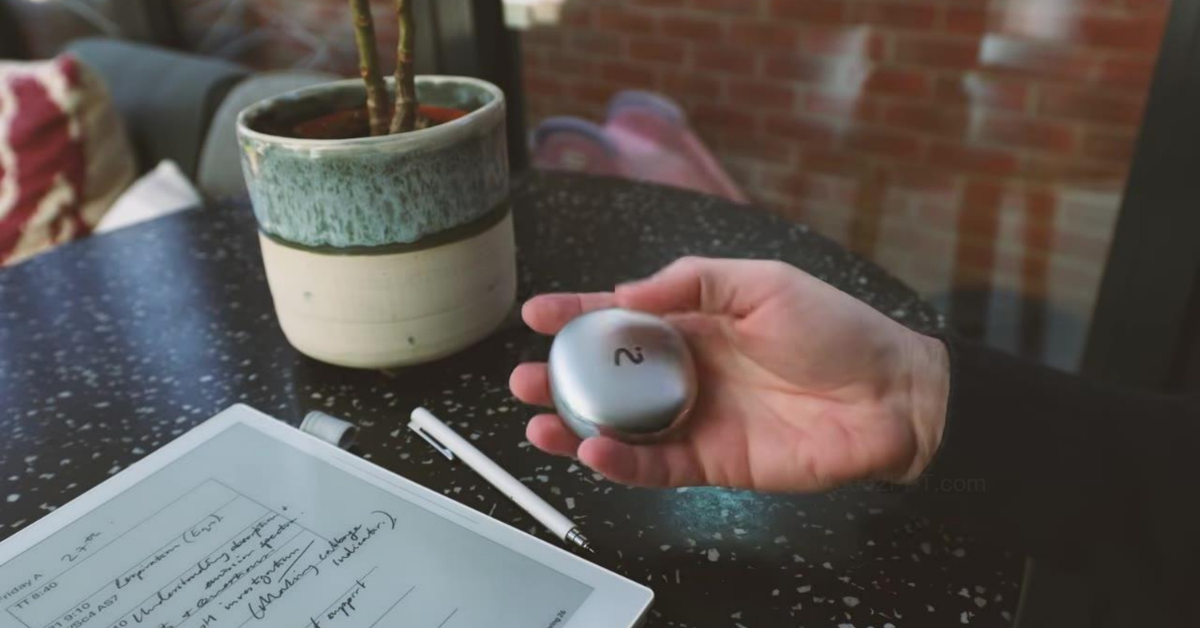
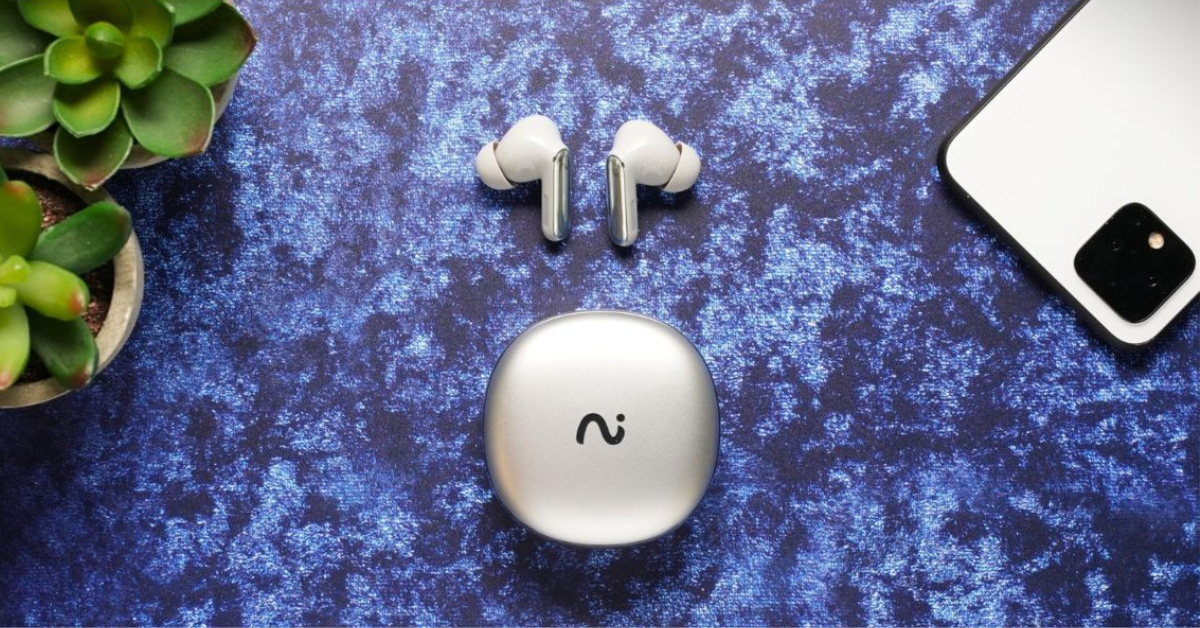
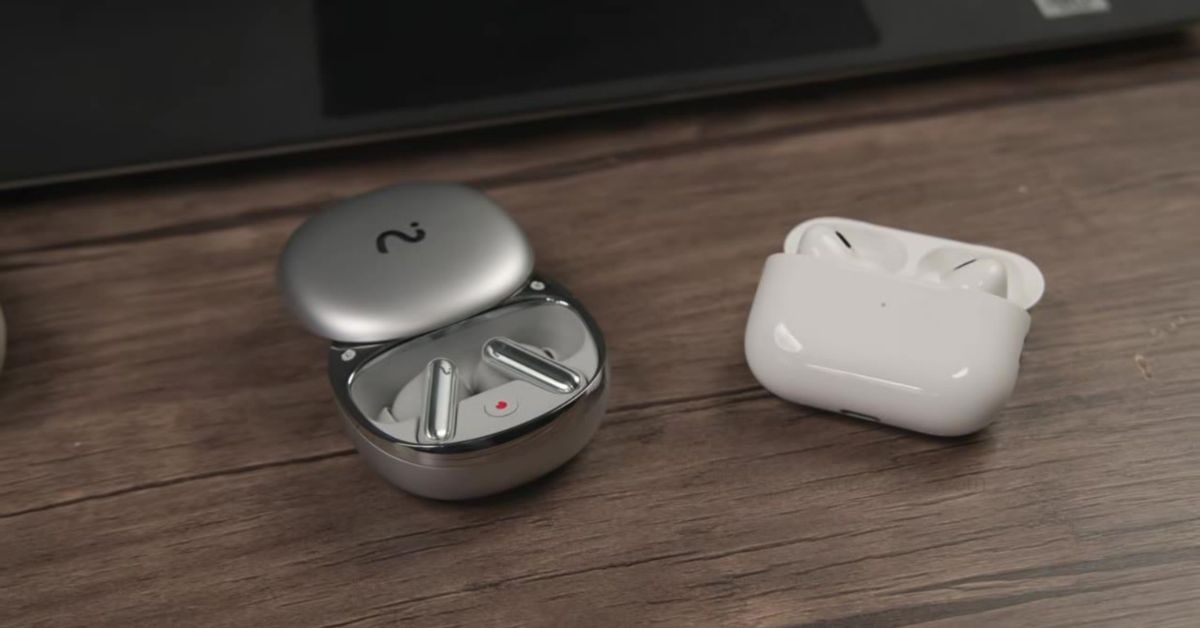
viaim AI Note Takers are designed for professionals who need accurate meeting records while staying compliant with recording laws.
Compliance-Friendly Features
- Customizable Consent Notification: Set a voice alert before recording starts to ensure transparency and comply with all-party consent laws.
- Secure Cloud Storage: All raw audio and transcripts are stored in an encrypted cloud workspace — only you can access or share the data.
- Real-Time Transcription: Converts speech to text instantly, providing timestamped transcripts for legal verification and record-keeping.
- Controlled Sharing: Generate AI-powered meeting summaries and export content (TXT or MP3) only to the people you choose.
Works for Every Meeting Type
- Team standups and remote syncs
- Client calls and sales conversations
- Brainstorms and whiteboard sessions
- In-person 1:1 discussions
- Phone calls and VoIP meetings
Explore viaim AI Note Takers →
Frequently Asked Questions
Can I record a meeting if I'm not actively speaking?
If you are part of the meeting (invited, present, and participating), yes — in one-party states. But not if you are an outside observer or eavesdropping.
Do Zoom, Teams, and Google Meet meetings count as "private conversations"?
Yes. The same consent laws apply to virtual meetings as they do to in-person or phone conversations.
What counts as valid consent?
- Saying "Yes, that's fine" when asked
- Remaining on a call after hearing a "this call is being recorded" announcement
- Clicking an in-app "Recording in progress" prompt
- Written or email confirmation
Are recordings automatically illegal without consent?
No — it depends on your state. In one-party consent states, your own consent is sufficient. In all-party states, you need everyone's agreement. When in doubt, announce the recording.
Can I use recordings as evidence in court?
Generally yes, if the recording was made legally under your state's consent laws. Illegally obtained recordings are typically inadmissible and may expose you to liability.
What about recording in other countries?
International recording laws vary widely. Many countries (EU, UK, Canada, Australia) have strict privacy regulations. Always research local laws before recording across borders.
Conclusion: Record Smarter, Not Riskier
Recording meetings is perfectly legal across most of the U.S. — as long as you follow the correct consent rules for your state. The key takeaways:
- 38 states allow one-party consent — you can record if you are a participant
- 11 states require all-party consent — everyone must agree
- For remote meetings, follow the strictest law among all participant locations
- When in doubt, announce the recording — it takes 5 seconds and protects you everywhere
By combining clear communication, an understanding of your state's laws, and tools like viaim with built-in consent notifications, you can stay compliant while capturing every important detail.
Last updated: June 2026
Share:
How to Capture Every Meeting During the Year-End Rush
AI Video Note Taker: How to Turn Videos into Notes Automatically