
The best AI sales tool is not the one with the longest feature list. It is the one that removes friction from your team's actual sales motion: finding the right accounts, preparing for conversations, capturing what was said, following up, forecasting honestly, and coaching reps without adding another layer of admin.
In 2026, sales teams can choose from CRM agents, meeting assistants, prospecting databases, enrichment workflows, conversation intelligence, sales engagement platforms, proposal generators, and AI role-play coaches. That variety is useful, but it also makes buying decisions harder. Many teams end up with overlapping tools, messy CRM data, and reps who still take notes by hand because the workflow is too heavy.
This guide is written for practical selection. It explains the best AI tools for sales teams by workflow, where each category fits, which tools are strongest for different team sizes, and what to check before buying.
Last reviewed: July 28, 2026.
Quick Answer: Best AI Sales Tools by Use Case
| Use case | Best tools to evaluate | Best fit | Watch out for |
|---|---|---|---|
| CRM AI and sales agents | Salesforce Agentforce, HubSpot Breeze | Teams that want AI inside the CRM they already use | Weak CRM data will weaken AI output |
| Revenue intelligence and forecasting | Gong, Clari | Mid-market and enterprise teams with complex pipelines | Implementation and data governance matter |
| Prospecting and enrichment | Apollo, Clay | SDR and RevOps teams building outbound systems | Data quality, compliance, and personalization review |
| Sales engagement | Outreach, Salesloft | Teams running structured outbound sequences | Automation can hurt if messaging is generic |
| Meeting capture and notes | viaim RecDot, viaim NoteKit, Fireflies, Fathom, Otter | Reps who need reliable notes from calls, in-person meetings, events, and demos | Consent, buyer comfort, and CRM sync quality |
| Sales coaching and enablement | Mindtickle, Second Nature AI | Managers who need scalable practice and skill coaching | Coaching must tie back to real pipeline outcomes |
| Proposals and documents | PandaDoc, Proposify | Teams that send frequent quotes, proposals, or contracts | Legal, pricing, and brand review still need humans |
How to Choose an AI Sales Tool
Before comparing vendors, define the bottleneck. Most sales teams do not need ten AI tools at once. They need one or two tools that solve the highest-friction part of the revenue motion.
- If reps waste time researching accounts: start with prospecting, enrichment, and CRM research agents.
- If meetings disappear into messy notes: start with meeting capture and automatic summaries.
- If managers do not trust the forecast: start with revenue intelligence and pipeline inspection.
- If SDR quality is inconsistent: start with engagement tools and coaching.
- If proposals stall after being sent: start with document analytics and proposal automation.
A good AI sales stack should capture reliable data, return that data to the CRM, reduce manual work, and improve the buyer experience. If a tool only creates more dashboards for managers, reps will treat it as surveillance. If it makes buyers uncomfortable, it can quietly damage conversion.
1. CRM AI and Sales Agents
Salesforce Agentforce
Best for: enterprise and upper mid-market teams already committed to Salesforce.
Salesforce has moved from simple AI assistance toward role-specific agents that support prospecting, account research, deal management, and customer communication. For teams already living in Salesforce, the advantage is context: AI can work from CRM records, activity history, opportunity data, and approved business logic.
Where it helps most:
- Preparing reps for meetings with account context and recent activity
- Identifying account priorities and next-best actions
- Reducing manual opportunity updates
- Supporting SDR and AE workflows inside the CRM
Not best for: teams with inconsistent Salesforce usage, duplicate records, missing contacts, or unclear sales stages. Agentic CRM workflows depend heavily on clean data and careful configuration.
HubSpot Breeze
Best for: SMB and mid-market teams that want AI without a heavy RevOps buildout.
HubSpot Breeze brings AI into the CRM, sales workspace, marketing tools, and service workflows. The strength is accessibility. Teams that do not have a dedicated operations team can still use AI for prospecting, company research, content support, and customer context.
Where it helps most:
- Researching companies and prospects before outreach
- Creating sales emails and follow-up drafts
- Helping small teams move faster inside one shared CRM
- Giving reps practical AI assistance without complex setup
Not best for: large enterprise teams that need deeply customized forecasting logic, territory models, or advanced revenue operations governance.
2. Revenue Intelligence and Forecasting
Gong
Best for: teams that need visibility into what is actually happening in deals.
Gong captures customer interactions, analyzes deal activity, and helps managers understand risks, objections, competitor mentions, next steps, and forecast quality. For large teams, the value is not just call recording; it is the ability to connect conversations to pipeline outcomes.
Where it helps most:
- Understanding why deals are moving or stalling
- Coaching reps based on real conversations
- Improving forecast inspection with activity and buyer signals
- Finding patterns across successful and lost deals
Not best for: very small teams that mainly need clean notes and follow-ups. Gong can be powerful, but it may be more platform than a 3-person sales team needs.
Clari
Best for: revenue leaders and RevOps teams focused on forecast accuracy and pipeline health.
Clari helps revenue teams inspect pipeline, spot risk, identify revenue leakage, and understand whether the current quarter is on track. It is less about individual note-taking and more about operating the revenue business.
Where it helps most:
- Forecast calls and executive pipeline reviews
- Identifying slipped deals and missing pipeline early
- Aligning sales, customer success, and revenue operations
- Reducing manual spreadsheet-based forecast management
Not best for: teams that do not yet have a repeatable pipeline process. If stages, close dates, and opportunity hygiene are unreliable, fix the process before expecting AI to solve the forecast.
3. Prospecting, Enrichment, and Account Research
Apollo
Best for: teams that need sales intelligence, contact data, and outreach in one place.
Apollo combines prospecting data, enrichment, sequencing, and AI-assisted sales workflows. It is useful for teams that want to build targeted lists, enrich contacts, prioritize accounts, and launch outbound campaigns without buying separate point solutions for every step.
Where it helps most:
- Building lead lists by role, company, industry, and signals
- Finding contacts and enriching account records
- Starting outbound campaigns with AI-assisted messaging
- Helping SDR teams move from list building to outreach faster
Not best for: teams that cannot review data quality or compliance. Prospecting data should always be checked before important outreach, especially in regulated markets or international campaigns.
Clay
Best for: RevOps teams, growth teams, and technical sellers building custom outbound workflows.
Clay is useful when you want to combine multiple data sources, enrich accounts, run AI research steps, and personalize messaging based on specific buying triggers. It is more flexible than a standard prospecting database, but that flexibility requires thoughtful workflow design.
Where it helps most:
- Waterfall enrichment across several data providers
- Researching accounts at scale
- Creating personalized outbound inputs for SDR review
- Building repeatable RevOps workflows without custom code
Not best for: teams that want a simple out-of-the-box sales tool. Clay is powerful, but it rewards teams that can design a clear process.
4. Sales Engagement and Outbound Execution
Outreach
Best for: enterprise SDR and AE teams running sophisticated outbound motion.
Outreach helps teams manage sequences, tasks, calls, emails, account engagement, and sales execution. AI is useful here when it helps prioritize what to do next, summarize account context, suggest messaging, and identify which activities are actually moving opportunities forward.
Not best for: teams without a clear outbound strategy. AI can optimize a sequence, but it cannot fix weak positioning or an unclear ICP.
Salesloft
Best for: sales teams that want a structured revenue workflow across prospecting, engagement, and coaching.
Salesloft is another major sales engagement platform, with AI support across cadence execution, seller guidance, conversation insights, and revenue workflow. It is often evaluated alongside Outreach by teams that need repeatable seller actions at scale.
Not best for: teams that only need light email automation. If you are not ready to manage sequences, governance, and reporting, a simpler CRM-native workflow may be enough.
5. Meeting Capture, Call Notes, and Follow-Up
Meeting intelligence is where many sales teams feel AI fastest. A rep can leave a call with a summary, action items, objections, stakeholder names, CRM notes, and a follow-up draft instead of spending 20 minutes reconstructing what happened.
There are two main approaches: software meeting assistants and device-based capture. Software tools are strong for scheduled video meetings. Device-based capture is useful when sales happens across phone calls, in-person meetings, trade shows, office visits, and hybrid work.
viaim RecDot and NoteKit
Best for: reps who need consent-first capture across in-person conversations, phone calls, video meetings, conferences, and desk work.
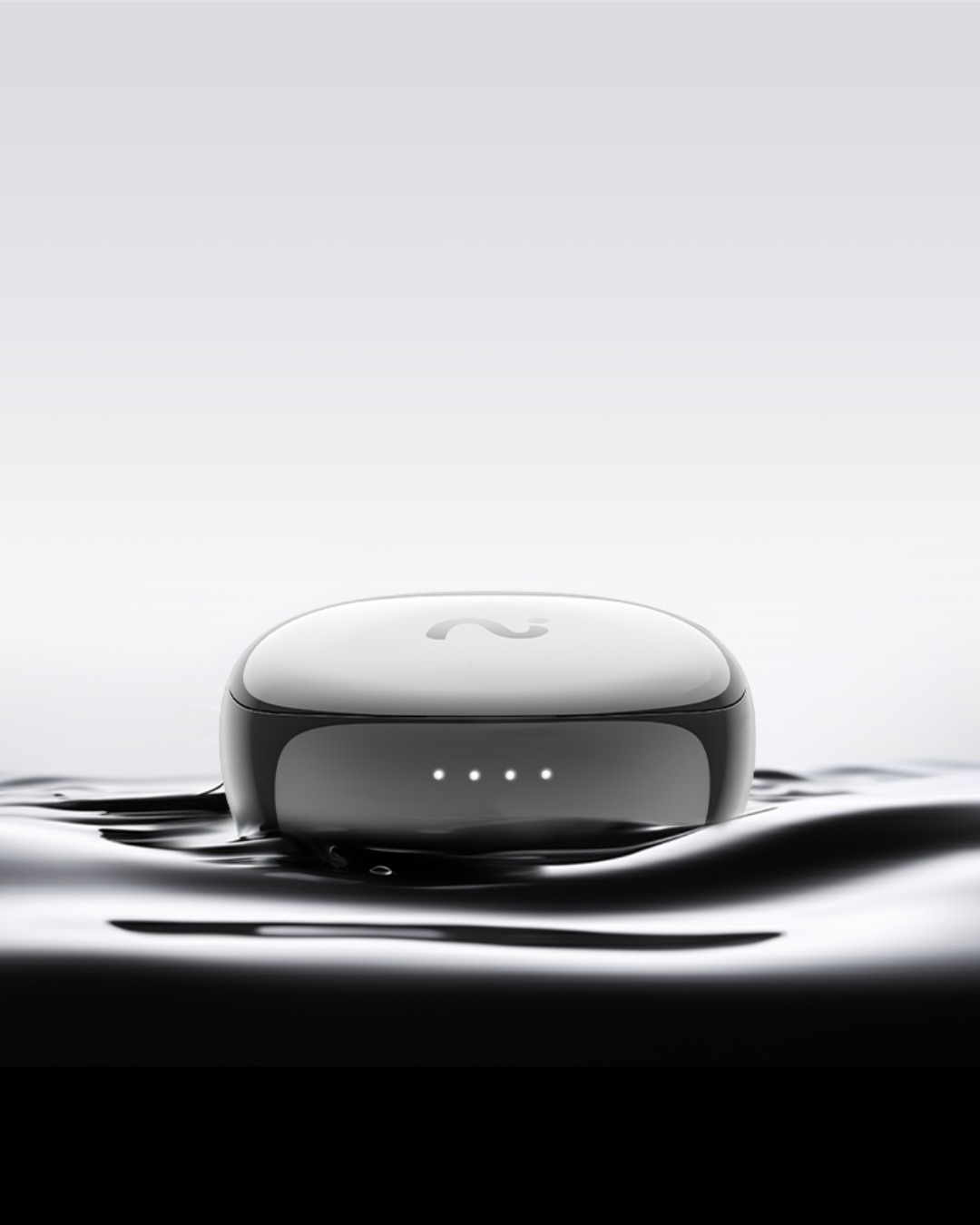
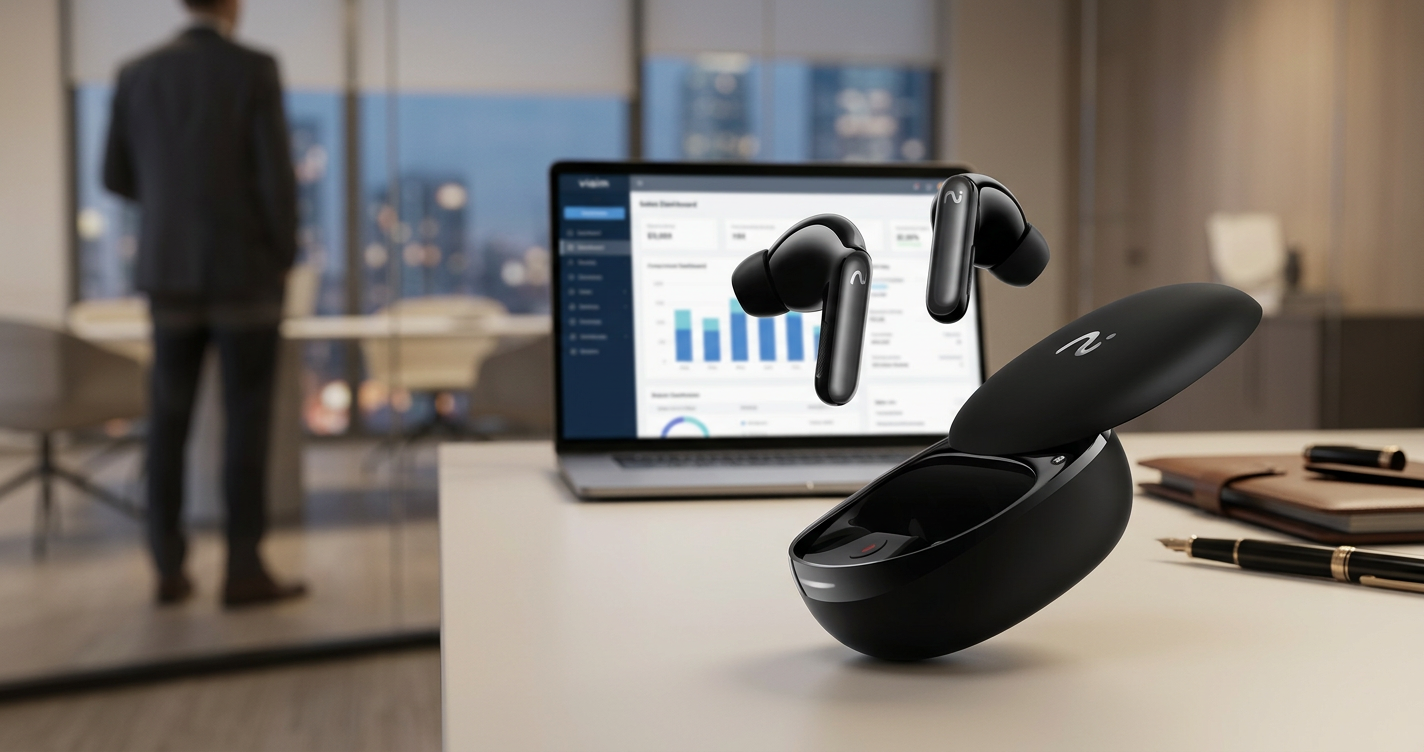
viaim RecDot is an AI note-taking earbud built for capturing real-world conversations. viaim NoteKit is better suited for desk-based recording and video meetings. Together, they fit sales teams whose conversations do not only happen inside Zoom or Teams.
Where it helps most:
- In-person buyer meetings where a meeting bot cannot join
- Trade shows and conferences where important conversations happen quickly
- Phone calls and hybrid meetings that need reliable notes
- Reps who want summaries, to-dos, and structured follow-up without rebuilding notes manually
Important: bot-free does not mean consent-free. Sales teams should disclose recording when required, respect buyer preferences, and follow applicable recording laws and company policy. The benefit of a device-based workflow is flexibility, not permission to record secretly.
Fireflies
Best for: teams that want broad meeting capture, transcription, summaries, and CRM logging.
Fireflies can join meetings, summarize calls, extract action items, and sync notes to other systems. Fireflies also supports bot-free desktop recording, which is useful when a visible meeting bot is not appropriate or when the meeting platform does not support a bot.
Not best for: teams that need a hardware workflow for field sales or in-person meetings without a laptop nearby.
Fathom and Otter
Best for: teams that want fast meeting notes and simple adoption.
Fathom and Otter are useful for teams that need meeting summaries, transcripts, and action items without a full revenue intelligence platform. They are often easier to adopt than enterprise conversation intelligence tools, especially for smaller teams.
Not best for: teams that need deep forecasting, deal risk analytics, or sales methodology coaching across a large organization.
6. Coaching, Enablement, and Role-Play
Mindtickle
Best for: enterprise teams with complex products, long ramp times, and formal enablement programs.
Mindtickle helps sales organizations train, certify, coach, and analyze seller readiness. AI can support coaching by identifying skill gaps, suggesting practice areas, and connecting enablement to performance.
Second Nature AI
Best for: teams that want AI role-play for pitches, objection handling, and discovery practice.
Second Nature AI gives reps a safe place to practice before real buyer calls. This is especially useful for teams with new messaging, new verticals, or reps who need more repetition than managers can provide live.
Not best for: teams that treat role-play as a one-time checkbox. AI practice works best when managers review patterns and connect training to live call outcomes.
7. Proposals, Quotes, and Sales Documents
PandaDoc
Best for: teams that need proposal creation, document workflow, e-signature, and buyer engagement tracking.
PandaDoc helps teams create proposals, send documents, collect signatures, and understand how buyers interact with documents. AI is helpful when it speeds up proposal drafting, repurposes approved content, and turns CRM context into a better first draft.
Proposify
Best for: teams that send many branded proposals and want tighter control over templates, approvals, and sales document consistency.
Proposify is useful when proposal quality and speed both matter. It helps sales teams standardize pricing sections, case studies, product descriptions, and approval workflows.
Recommended AI Sales Stack by Team Size
| Team size | Start here | Add next | Usually wait on |
|---|---|---|---|
| 1-5 reps | Meeting notes, CRM AI, simple prospecting | Proposal automation | Enterprise forecasting platforms |
| 6-20 reps | CRM AI, meeting capture, Apollo or Clay | Sales engagement and coaching | Complex multi-platform stacks |
| 21-100 reps | Gong or similar conversation intelligence, CRM AI, engagement platform | Clari, enablement, proposal analytics | Disconnected point tools with no CRM sync |
| 100+ reps | CRM governance, revenue intelligence, forecasting, sales engagement | Role-based AI agents and enablement at scale | Any tool without security, compliance, and admin controls |
Buyer Checklist: Questions to Ask Before You Buy
- What workflow does this replace? If it does not replace work, it may just create more tabs.
- Does it write back to the CRM? AI notes and insights are less valuable if they stay trapped in another app.
- How much data cleanup is required? Some tools work immediately; others need months of CRM hygiene.
- Will reps use it daily? A tool that managers like but reps avoid will not improve sales performance.
- Does it improve buyer experience? AI should help reps be prepared, accurate, and responsive, not make buyers feel monitored.
- Can admins control privacy and retention? This matters for call recordings, transcripts, customer data, and regulated industries.
- What is the implementation owner? CRM AI, revenue intelligence, and sales engagement tools need clear ownership.
FAQ
What is the best AI tool for a small sales team?
For a small team, start with practical tools that save time immediately: meeting notes, CRM AI, and prospecting support. HubSpot Breeze, viaim RecDot or NoteKit, Apollo, and simple proposal automation are usually more useful than an enterprise revenue platform on day one.
What is the best AI tool for enterprise sales teams?
Enterprise teams should evaluate Salesforce Agentforce or HubSpot depending on CRM, Gong for conversation intelligence, Clari for forecasting, Outreach or Salesloft for engagement, and Mindtickle for enablement. The right stack depends on CRM maturity and sales motion complexity.
Do AI meeting tools replace Gong?
Usually no. AI meeting tools help reps capture notes and follow up. Gong is broader revenue intelligence: coaching, deal risk, conversation analytics, and management visibility. Some teams use both, especially when they need lightweight capture plus enterprise analytics.
Are bot-free AI meeting tools better?
Bot-free tools can feel more natural in certain situations, especially in-person meetings, field sales, conferences, phone calls, or buyer calls where a bot is distracting. But bot-free does not remove the need for consent. Teams should disclose recording when required and respect buyer preferences.
Should we buy AI before cleaning our CRM?
It depends on the category. Meeting capture and note-taking tools can create value quickly even with imperfect CRM data. Forecasting, CRM agents, and revenue intelligence tools work much better when account, contact, opportunity, stage, and activity data are reliable.
How many AI sales tools should one team use?
Most teams should start with one or two high-impact workflows, prove adoption, then expand. Too many disconnected AI tools can create duplicate data, inconsistent notes, and more admin work.
Source Notes
This guide was reviewed against official product pages, help centers, and company materials from Salesforce, HubSpot, Gong, Clari, Apollo, Clay, Outreach, Salesloft, Fireflies, viaim RecDot, viaim NoteKit, PandaDoc, Mindtickle, and Second Nature AI. Product capabilities, packaging, and pricing can change, so verify current vendor details before purchasing.
The Bottom Line
The best AI sales stack is not the biggest one. It is the stack your team will actually use every day.
For most sales teams, the smartest path is to start with the workflow closest to revenue friction: cleaner meeting notes, better account research, faster follow-up, more reliable forecasting, or stronger coaching. Then connect each tool back to the CRM so every conversation, signal, and next step improves the system over time.
AI should make sales more human, not less. The winning teams in 2026 will use AI to arrive prepared, listen better, follow up faster, and spend more time in real conversations with buyers.



Share:
10 Best AI Tools for Real Estate Agents in 2026 (By Workflow Stage)
Is It Legal to Record a Real Estate Showing or Client Call? (2026 State Guide)